WELCOME TO JW LATEX CONSULTANTS....ENJOY YOUR TOUR....FEEL FREE TO CONTACT JOHN WOON IF YOU NEED MORE INFORMATION OR QUICK SOLUTIONS TO YOUR PROBLEMS.....

__________________________________________________________________________

CONTENTS:

[Advantages of Prevulcanization] [Air Permeability] [Applications of PV Latex] [Bacteria and Latex] [Chemical Toxicity] [Cross-Linking Density] [Biodegradability] [Black Articles] [Blooming] [Bouncing Ball] [Compression Set] [Condoms] [Copper Staining] [Creaming] [Defoamer] [FDA] [Fatty Acid Soaps] [Flame Retardant] [Flocking] [Food Packaging] [Glove Demand] [Glove Discoloration] [Glove Selection] [Guayule Latex] [History of Gloves] [Joul Effect] [Lab Equipment] [“Latex” Definition] [Latex Stability] [Latex Thread] [Milling Problem] [Mixing Equipment Directory] [MREPC Articles] [Nano Polymer Particles] [Nano ZnO] [Permanent Set] [Polychloroprene] [REACH] [SMG] [Storage Hardening] [Stress Relaxation] [Surfactants Directory] [Tensile Properties] [Vulcanization] [Vytex]

[Yulex]

__________________________________________________________________________

Tuesday, August 26, 2008

Training Offered by JW Latex Consultants

Glove and Condom Manufacturer: We understand that you do conduct on-site training for factories and would be grateful if you could tell us what this entails.

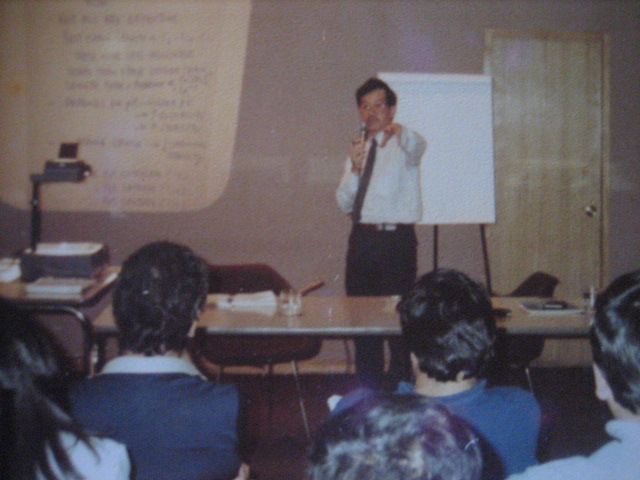
John Woon (Senior Latex Consultant): Our training using Powerpoint presentation generally includes the following:

1) Natural rubber latex properties and stabilities
2) Latex dipping technology
3) Trouble shooting for defective gloves and condoms
4) PV vs Post-vulcanisable latex compounds
5) Nitrosamine in rubber products.
6) Allergen, antigen, antibodies, Type 1 and Type 4
reaction, anaphylactic shock
7) Nitrile latex technology
8) Polychloroprene latex technology

To get an idea of the content of my Powerpoint slides, please view some of the samples in the following video: (Sorry the reproduction is not very clear)


You are at the site for answers and solutions to all your problems in natural rubber latex processing and manufacturing of industrial, household and medical gloves, condoms, catheters, baby teats and baby pacifiers, toy balloons, latex foam products, latex threads etc.

Thursday, August 21, 2008

Natural Rubber price levels off

According to an article in Tyres & Accessories, "The price of natural rubber is finally starting to level off, after increasing 40 per cent in the last year. According to Deutsche Bank analysts, the price is now likely to level off at around US$2.8/kg, having risen to US$3.3/kg (RSS3 grade) by June 2008. “If natural rubber price follows recent drop of oil price, it could drop to US$2.6/kg (the average of the last 18 months)," the analysts observed. The news is likely to be greeted by a sigh of relief by tyre manufacturers who had been witnessing erosion in their operating profits due to increased raw material prices."

You are at the site for answers and solutions to all your problems in natural rubber latex processing and manufacturing of industrial, household and medical gloves, condoms, catheters, baby teats and baby pacifiers, toy balloons, latex foam products, latex threads etc.

Labels: , ,

Dipping problems of natural rubber latex catheter balloons

Latex Catheter Manufacturer: I am a process engineer for a medical device company. Our products include various types of catheters and we also make balloons for our own catheters. Recently, we are attempting to qualify a new latex mixture (post-vulcanised) from a new supplier for use on the manufacturing of balloons for catheters. We are successful for one batch of latex. The formers/mandrels are dipped in the coagulant (calcium nitrate + ethanol) for a while and allow to dry before dipping in latex vertically. However when we tried the same process for 2nd and 3rd batch of latex, we are unable to get the correct shape of the balloons using the same process. The following deviations were observed:

(1) Uneven latex pick up at the tips of the formers (see photo1)
(2) The balloon is much thinner at the sharp edge of the tip (see photo 2)

The latex from the 2nd and 3rd batch also seems to be more watery or less dense even though we did tried to control the viscosity to make sure that they are the same. Our supplier seems to lack the technical expertise to help us resolve this issue and claim that all their latex is within their spec. I somehow come across your website and is impressed by your passion and knowledge on latex technology as well as your willing in sharing invaluable information and knowledge. I hope you can advise us on the possible additive we may add to resolve this issue or spec of latex we should look into. Please revert back to me if more information is needed.

We also attached the latex test results and specification.

Hope to hear from you soon. Thanks.

John Woon (Senior Latex Consultant): You mentioned that you're using a post-vulcanised latex. Technically, there's no such thing as post "vulcanised" latex compound. I presume you meant post-vulcanisable latex.

If this is what you're using, I would recommend you try prevulcanised latex (i.e. PV latex) for more consistent processing properties.

Assuming all other factors being within your normal controls except the latex, the deviation of your product quality could be due to:

1) Inconsistent latex stability (e.g. MST, viscosity)
2) Inconsistent latex vulcanisation state. (I'm assuming you add the curatives to the latex yourself or your supplier supply the latex and chemicals for you to do the mixing)
3) The latex was not properly homogenised before use.

Other factors besides latex properties include:


1) Excessive collection of coagulant at the tip, especially when the former are not inverted or the inverting of the formers was delayed
2) Too fast withdrawal of formers from the latex. Ideally the speed of withdrawal should equal to the speed of the latex flowing downward.
3) Formers are too cold.
4) Dirty former tip
5) Excessive drainage of coagulant away from the tip, assuming you invert the formers after coagulant tip and the formers are not preheated.

I've checked your latex test report and found that the TSC (~57%) is unusually low if it is the standard centrifuged latex concentrate. Also, the pH (~12.0) is abnormally high.

The specification of your latex leaves a lot to be desired. If you really want to control and monitor your latex quality well, you should include all the following:

1) TSC
2) Alkalinity
3) MST
4) VFA number
5) KOH number
6) Viscosity
7) Total Magnesium content

Natural rubber latex could sometimes be difficult to handle because the inherent properties and hence the processibility might change with different batches of latex despite the various parameters being within the agreed specification. Also, there are "tricks" some producers could resort to in order to make a "bad" latex meeting your specification. You must therefore make a point to know who the producer is if you are now buying from a trader and check their background.


You are at the site for answers and solutions to all your problems in natural rubber latex processing and manufacturing of industrial, household and medical gloves, condoms, catheters, baby teats and baby pacifiers, toy balloons, latex foam products, latex threads etc.

Labels: , , , , ,

Wednesday, August 06, 2008

Vulcanisation and thickening of positively charged Natural Rubber and Nitrile latcies (latexes)


Manufacturer: We managed to produce positive charged natural rubber latex and Nitrile latex. This is for coating and impregnating textiles which usually have negative charges. To our satisfaction, we found the adhesion of the latex to the textile to be superior compared to normal centrifuged natural rubber latex concentrates (i.e. CL 60 HA or LATZ) and standard Nitrile latex.

However, our problem is that the ageing resistance of the rubber is quite poor. To overcome this we decided to add curing agents to vulcanize the rubber. However we encountered latex stability problem during mixing of the latex compounds. Also, we had problems when we intended to increase the latex viscosity with acrylic types of thickener.

Your suggestions on how we could overcome these problems would be appreciated.


John Woon (Senior Latex Consultant): If you are using conventional dispersing agents for the preparation of your curative dispersions or you are using ready made dispersions from external sources, I won’t be surprised at all that you’re experiencing the latex stability problem you mentioned.

You should use only cationic surfactants and perhaps along with only non-ionic surfactants as your dispersing agents because your latex particles are positively charged, unlike the usual natural rubber and nitrile latex concentrates. Examples of the former are quaternary ammonium compounds such as cetyl trimethyl ammonium chlorides and cetyl pyridium bromide while examples of the latter are condensation products of ethylene oxide with fatty acids, alcohols or phenols.

As regards the latex thickeners, you should not use anionic type like sodium or ammonium polyacrylates. Your better bet should be those based on methyl cellulose.


You are at the site for answers and solutions to all your problems in natural rubber latex processing and manufacturing of industrial, household and medical gloves, condoms, catheters, baby teats and baby pacifiers, toy balloons, latex foam products, latex threads etc.

Labels: , , , , , ,

Thursday, July 24, 2008

BASF Plasticizer Hexamoll® DINCH Comes Out Ahead in Eco-Efficiency Analysis

The BASF product Hexamoll® DINCH has the highest eco-efficiency in a comparison of the top five non-phthalate plasticizers on the market today. So say the results of a BASF eco-efficiency analysis, verified by the impartial German organization TÜV Rheinland. Plasticizers are added to PVC (polyvinylchloride) to make this naturally hard, brittle material soft and elastic. BASF analyzed the eco-efficiency of non-phthalate plasticizers for three everyday product groups: children's balls, tubes for medical devices, and garden hoses. The eco-efficiency analysis assesses the ecological properties of a product over its complete life cycle from manufacture to disposal, incorporating the costs of production and use.

"Hexamoll DINCH is by far the best researched plasticizer on the market. The eco-efficiency analysis shows that the product has the lowest environmental impact throughout its life cycle, so we are helping our customers to achieve sustainable development," says Dr. Albert Heuser, President Petrochemicals Division. In a bid to meet rising demand, BASF increased annual Hexamoll DINCH production capacity at the Ludwigshafen site last year from 25,000 to 100,000 metric tons.

The competitor products investigated in the eco-efficiency analysis alongside Hexamoll DINCH were the commercially available non-phthalate plasticizers diethylhexylterephthalate (DEHTP), alkylsulphonic phenyl ester (ASE), acetyltributyl citrate (ATBC) and acetylated castor oil derivative. Non-phthalate plasticizers were developed for sensitive areas such as medical devices, toys and food packaging. Results for Hexamoll DINCH were above average in all categories, especially so in terms of toxicity and risk potential, energy use and emissions. Other eco-efficiency criteria included material use and area required for production. The eco-efficiency analysis method has been validated by the TÜV Rheinland Berlin Brandenburg (ID 5711150561).

You are at the site for answers and solutions to all your problems in natural rubber latex processing and manufacturing of industrial, household and medical gloves, condoms, catheters, baby teats and baby pacifiers, toy balloons, latex foam products, latex threads etc.

Labels: , , , ,

Monday, July 21, 2008

How to improve resistance to air permeability of Natural Rubber latex products?

Air Bladders Manufacturer: We manufacture a range of bladders using natural rubber latex. For some products the air permeability is too high resulting in premature deflation and therefore failure of the products. Can you suggest some quick solutions?


John Woon (Senior Latex Consultant): This question has been raised and answered at this site before.

If you don't already know, natural rubber has quite poor resistance to air permeability compared to most synthetic rubbers. You could try blending NR latex with other synthetic rubber latices such as Polychloroprene (e.g. Neoprene) and Nitrile latex but this normally requires quite a high level of the synthetic latex leading to the undesirable loss of flexibility, resilience and elongation.

Your best bet is to do "laminate dipping" whereby an over-dip with synthetic latex is carried out after the first NR latex dip. The sequence of the two dips can be changed depending whether you want the synthetic layer to be the external or internal surface. Products with an external polychloroprene layer could also render the products more resistant to ageing especially against ozone attack.

To further enhance the air impermeability, you could also add some laminar types of fillers an example of which is silica.


You are at the site for answers and solutions to all your problems in natural rubber latex processing and manufacturing of industrial, household and medical gloves, condoms, catheters, baby teats and baby pacifiers, toy balloons, latex foam products, latex threads etc.

Labels: , , , ,

Tuesday, July 15, 2008

Beware of Hairbands Made from Used Condoms and Threads


Used condoms have been reported to have ended up being recycled into hair bands in certain Asian country. This poses as a threat to spread sexually-transmittable diseases to innocent users. These rubber hair bands have been selling very well in markets and beauty salons in some cities.

Despite being recycled, the hair bands could still contain bacteria and viruses.
A bag of ten of the recycled bands sells for just three cents, very much cheaper than other competitive products.


You are at the site for answers and solutions to all your problems in natural rubber latex processing and manufacturing of industrial, household and medical gloves, condoms, catheters, baby teats and baby pacifiers, toy balloons, latex foam products, latex threads etc.

Labels: ,

Wednesday, July 02, 2008

The Language of Rubber – Part 6 (Flex Resistance) - By John Woon (Senior Latex Consultant)


"Flex" refers to distortion force applied repeatedly to the elastomer (rubber) such as stretching, bending and compression. In rubber language, the rubber is being "fatigued", hence the result is sometimes referred to as "flex fatigue".

The usual symptom observed is surface cracking commonly known as "flex cracking". A good example is the characteristic surface cracking of an old tyre especially when it has been under-inflated. Other examples include shoe soles and beltings.

The "flex resistance" is compromised when the rubber is heavily loaded with cheapening fillers.

You are at the site for answers and solutions to all your problems in natural rubber latex processing and manufacturing of industrial, household and medical gloves, condoms, catheters, baby teats and baby pacifiers, toy balloons, latex foam products, latex threads etc.

Labels: , , ,

Sunday, June 22, 2008

International Rubber Conference 2008 (IRC 2008) - 20 to 23 October 2008

Malaysia, one of the largest producers of natural rubber and the established centre of rubber technology, has been given the privilege to host the most respected event in the world's rubber industry calendar - the International Rubber Conference 2008 (IRC 2008).

The Malaysian Rubber Board (MRB), is organising the International Rubber Conference 2008 to be held at Kuala Lumpur Convention Centre, Malaysia from 20 to 23 October 2008.

The International Rubber Conference 2008 features presentations from eminent rubber scientists and experts in the field of:

1) Rubber Physics and Engineering
2) Computer Simulation
3) Advanced Manufacturing
4) Rubber Biotechnology
5) Latex Science and Technology
6) Advanced Materials
7) Environment, Recycling and Industrial Ecology
8) Nanotechnology
9) Rubber Modification and Characterisation
10) Tyre and Tyre Retreading
11) Energy Conservation
12) New Evaluation and Test Methods
13) Processing and Specialty Rubbers

Please Click Here for more details.


You are at the site for answers and solutions to all your problems in natural rubber latex processing and manufacturing of industrial, household and medical gloves, condoms, catheters, baby teats and baby pacifiers, toy balloons, latex foam products, latex threads etc.

4th International Rubber Glove Conference & Exhibition 2008 (IRGCE) - 2 - 4 September 2008

THE CONFERENCE
The Conference will review and analyze, and provide critical information on the latest trends and development of the rubber glove industry, covering innovations, regulations and standards, productivity and competitiveness.
Leading R&D personnel, standards and regulatory experts, industry analysts and market players will present relevant technical / professional papers on the dynamic glove industry.
About 700 participants and delegates are expected at this event, which will create an opportunity for all players and stake-holders in the glove and related industries to interact and to foster a closer rapport.

THE EXHIBITION

The Exhibition will showcase the latest products and services in three categories: 1) Glove manufacturing industry, 2) Supporting and services industries in the glove industry, and 3) Disposable medical devices industry.
Click Here to get details.

You are at the site for answers and solutions to all your problems in natural rubber latex processing and manufacturing of industrial, household and medical gloves, condoms, catheters, baby teats and baby pacifiers, toy balloons, latex foam products, latex threads etc.

Thursday, June 19, 2008

Mold Growth on Latex Gloves

Glove Importer: We import both medical and industrial grade latex gloves. We have discovered some of the gloves are packed from the factory while still wet which encourages the growth of mold on both the inside and outside of the glove. Obviously more attention to the drying process is required but the factory now wants to introduce a biocide into the manufacturing process to combat the formation and growth of mold. Some of the gloves are used in the food processing industry and in fact handle food ingredients.

The biocide is called Proxel GXL, .10% solution. Have you heard of this chemical or the application of this chemical for the problem described above?. Is it safe for the food manufacturing industry (.10%)?

John Woon (Senior Latex Consultant): It is highly advisable to for the factory to ensure that the gloves they manufacture are properly dried before packing rather than resorting to the use of a biocide i.e prevention is always better than cure.

Also, the gloves must be properly leached (i.e. washed) otherwise dried gloves could eventually absorb moisture from the air leading to mold growth especially when the gloves are stored in warm and humid environment.

Proxel GXL is a widely used biocide in many aqueous based compounds and is classified as "relatively low toxicity via ingestion". However it has been reported to have caused skin irritation to some people.

Under normal circumstances, no biocide is required for gloves manufacturing.


You are at the site for answers and solutions to all your problems in natural rubber latex processing and manufacturing of industrial, household and medical gloves, condoms, catheters, baby teats and baby pacifiers, toy balloons, latex foam products, latex threads etc.

Labels: , , ,

Wednesday, June 18, 2008

Michelman Acquired Water-Based Polyurethane Technology

Michelman announced the acquisition of Raleigh, North Carolina, USA-based Hydrosize Technologies, Inc. Hydrosize is a manufacturer of coatings including sizings, film formers, fixatives, binders as well as resins for the coating and composite industries. Hydrosize gives Michelman a waterborne polyurethane sizing technology designed specifically for the fibers and composites market. The polyurethane dispersion technology will complement Michelman's existing line of polyolefin-based solutions, and will be developed for applications in other markets including coatings and packaging.

You are at the site for answers and solutions to all your problems in natural rubber latex processing and manufacturing of industrial, household and medical gloves, condoms, catheters, baby teats and baby pacifiers, toy balloons, latex foam products, latex threads etc.

Labels: ,

Friday, June 13, 2008

Waste rubber used to produce industrial oil

According to an article on vietnamnet.vn, "A research group from the Ministry of Construction’s Building Materials Institute has used waste rubber to produce diesel oil. The researchers, led by Dr Mai Ngoc Tam, have been conducting a project on thermolysis of rubber to help reduce environmental pollution caused by rubber. The project uses thermolysis technology to recycle waste rubber, including used bike and motor tires, into industrial oil. One kilo of waste rubber is estimated to turn out 0.4 kg of oil.

The group says results of an analysis of exhaust fumes from the rubber thermolysis furnace of the Institute for Tropical Technology and Environmental Protection have found the fumes do not pollute the environment. It showed that concentrations of nitrogen oxides, carbon dioxide and carbon monoxide from the furnace meet Vietnam’s standards of atmosphere quality and industrial exhaust fumes. The research group has agreed to transfer the new technology to the Sai Gon Energy Industry and Environment Joint Stock Company, giving the company a system capable of recycling 200kg of waste rubber per hour.


You are at the site for answers and solutions to all your problems in natural rubber latex processing and manufacturing of industrial, household and medical gloves, condoms, catheters, baby teats and baby pacifiers, toy balloons, latex foam products, latex threads etc.

Thursday, June 12, 2008

The Language of Rubber – Part 5 (Abrasion Resistance) By John Woon (Senior Latex Consultant)


Abrasion resistance is defined as the resistance of the rubber product to wearing when the surface is being rubbed with an abrasive surface of another object, under a given load and speed of abrasion.

The amount of the material being abraded away is compared with that of a standard specimen.

Although the standard test does not always correlate well to actual service performance, it is a good quality control test for products exposed to abrasion during service life such as industrial gloves, tire treads, conveyor belts, heels and soles, floor coverings,and sandblast host etc.

Abrasion resistance could sometimes be affected by a combination of other properties such as resilience, stiffness, thermal stability, cut and tear resistance.
One should be cautioned that excessive blooming of oil and/or wax or an under cured product might give a misleadingly good abrasion resistance during the test due to the abrasive being clogged and lubricated by the abraded material from the rubber surface.


You are at the site for answers and solutions to all your problems in natural rubber latex processing and manufacturing of industrial, household and medical gloves, condoms, catheters, baby teats and baby pacifiers, toy balloons, latex foam products, latex threads etc.

Labels: , , , ,

Tuesday, June 10, 2008

The Philippines to boost investments in rubber production

According to an article in GMANews.tv by Cheryl M. Arcibal, "The Philippines will be boosting investments in rubber production, helping industry efforts to supply a tenth of global demand by 2020. An official of a commercial crop program told reporters on Friday that the Philippines seeks to supply 10 percent of the total world demand—some 800,000 metric tons of rubber by 2020—from one percent currently.

The country is expected to earn $960 million in revenues, Rene Rafael Espino, GMA High Value Commercial Crops national program coordinator, told reporters on the sidelines of the 4th Asean Rubber Conference in Pasig City. "The government is investing P70 million this year for the industry and P220 million the next year," Espino said. He added that the government intends to shoulder 60 percent of the industry’s total investment requirement.

Espino also said that until the year 2020, the government is also aiming to increase the area of rubber plantation to one million hectares from the current 100,000. He added the government is encouraging Thai Hua Rubber Public Co. Ltd. to invest in the country. Sources from the conference also said that Bridgestone Corp., a Japanese rubber conglomerate and one of the world’s largest tire companies, is being asked to invest in the country."

You are at the site for answers and solutions to all your problems in natural rubber latex processing and manufacturing of industrial, household and medical gloves, condoms, catheters, baby teats and baby pacifiers, toy balloons, latex foam products, latex threads etc.

Monday, June 09, 2008

Simple Tests To Assess Processibility of Latex Compounds

Latex Dipped Products Manufacturer: We manufacture latex dipped products using NR, Nitrile and Neoprene latices. Please advise us on the suitable but simple tests we need to do to assess the processibility of the latex compounds.

John Woon (Senior Latex Consultant): Good question. I suggest you conduct the following tests:

1) Latex compound viscosity using Ford Cup or Brookfield viscometer. You could also make your own flow cup. This would measure the over all latex colloidal stability.

2) Latex compound viscosity at elevated temperatures (e.g.35 to 45C). This measures the sensitivity of your compounds to heat. Depending on your own requirement, such heat sensitivity could be advantageous or disadvantageous.

3) Measure the pH of the latex compounds as it affects the solubility of some surfactants such as fatty acid stabilisers and hence the stability and wetting property of the latex compound.

4) Coagulum content.

5) The degree of compound prevulcanisation or maturity using solvent swelling method. Too little or too much of prevulcanisation is generally not recommended. The actual degree should be determined for each process and compound formulation.

6) There are other tests which I'm not revealing here.

There is no single or a combination of tests sensitive enough to predict accurately the processibility of a given compound except for the actual dipping process itself. However, with experience of actual production runs and information from the data accumulated from the above mentioned tests, one could take the necessary remedial actions if the behavior of the latex compound deviates from the norm.

You are at the site for answers and solutions to all your problems in natural rubber latex processing and manufacturing of industrial, household and medical gloves, condoms, catheters, baby teats and baby pacifiers, toy balloons, latex foam products, latex threads etc.

Saturday, June 07, 2008

More rubber trees to be planted in Cambodia

The Vietnam Rubber Group (VRG) held a meeting in Cambodia's capital Phnom Penh on June 3 to discuss measures to speed up its rubber cultivation in the neighboring country" according to an article in Asia Pulse. Addressing the event, VRG Deputy General Director Tran Ngoc Thuan said the project, which targets 100,000ha of rubber in Cambodia, will generate more jobs and help reduce poverty for local people. He affirmed VRGs determination to ensure its rubber cultivation project is conducted as scheduled.

Representatives from a number of Cambodian ministries and provinces said they will create favourable conditions for VRG to successfully carry out its project. The conference was attended by representatives from Cambodian ministries and localities where VRG is conducting its project including Kampong Thom, Kratie and Mondulkiri.

You are at the site for answers and solutions to all your problems in natural rubber latex processing and manufacturing of industrial, household and medical gloves, condoms, catheters, baby teats and baby pacifiers, toy balloons, latex foam products, latex threads etc.

Tuesday, May 27, 2008

Toxicity of Rubber Accelerators - What is LD 50?

Manufacturer: When referring to the toxicity information of the Material Safety Data Sheets of the accelerators for our latex compounds, we always come across the terms "Acute Oral LD50 (mg/kg)" or "Acute Dermal LD50 (mg/kg)". What do these mean?

John Woon (Senior Latex Consultant): Simple. LD stands for "Lethal Dosage" or "Lethal Dose". LD 50 means the amount of the chemical concerned (rubber accelerators in your case)when introduced to the test animals (rats, mice, hamsters, guinea-pigs, rabbits etc), that causes 50% of the animals to die. If the chemical is given to the animals through the mouth, it is known as "Acute Oral" whereas if it is given by applying to the skin, it is referred to as "Acute Dermal". The result refers to mg of the chemicals per kg of the animal's body weight.

It goes without saying that the lower the figure, the more toxic is the chemical. To give you an idea, 1 to 50 gm/kg infers a very high toxicity while 5000 to 15,000 gm/kg means that chemical is practically non-toxic or harmless.

You are at the site for answers and solutions to all your problems in natural rubber latex processing and manufacturing of industrial, household and medical gloves, condoms, catheters, baby teats and baby pacifiers, toy balloons, latex foam products, latex threads etc.

Sunday, May 25, 2008

The Language of Rubber – Part 4 (Resilience, Heat Built-Up and Hysteresis) By John Woon (Senior Latex Consultant)


Resilience is usually expressed in percentage and it measures the ratio of energy given up on releasing or recovery from the strain (i.e. deformation) to the energy required to produce the deformation.

When a natural rubber ball is dropped on the floor from a certain height, the impact or stress the ball gets when it hits the hard surface would force the rubber molecules to strain, stretch, reorganize or deform. This results in potential energy being stored in the molecules when the ball is in a state of strain. At the end of the impact i.e. when the stress is released, the rubber molecules would retract like a spring to its original unstrained state. The stored potential energy is hence recovered in the form of "bouncing" of the ball.

Natural rubber, being a very elastic elastomer, has good rebound resilience of more than 80%. On the other hand, in semi-elastic rubbers such as Butyl, the bouncing recovery is poor at normal ambient temperatures as most of the energy is turned into heat on impact. (For this reason Butyl rubber is sometimes used for damping applications)

Hysteresis is the percentage energy lost after the cycle of deformation i.e. 100% minus the resilience percentage. Hysteresis is due to internal friction of the rubber molecules resulting in the formation of heat energy. The higher the elasticity, the higher would be the resilience and hence the lower would be the hysteresis.

It would be interesting to compare an elastic latex glove with a lesser elastic glove like a Nitrile glove by repeatedly stretching and releasing and feeling the difference in the resultant increase in the warmth of the gloves.

You are at the site for answers and solutions to all your problems in natural rubber latex processing and manufacturing of industrial, household and medical gloves, condoms, catheters, baby teats and baby pacifiers, toy balloons, latex foam products, latex threads etc.